Oceanside Dining, Drinks, and Live Music in North Wildwood
Enjoy ocean views, live music, daily dining, and happy hours specials at The Inlet in North Wildwood. We are open Thursday through Sunday, with breakfast from 9 AM on weekends
Oceanside Dining, Drinks, and Live Music in North Wildwood
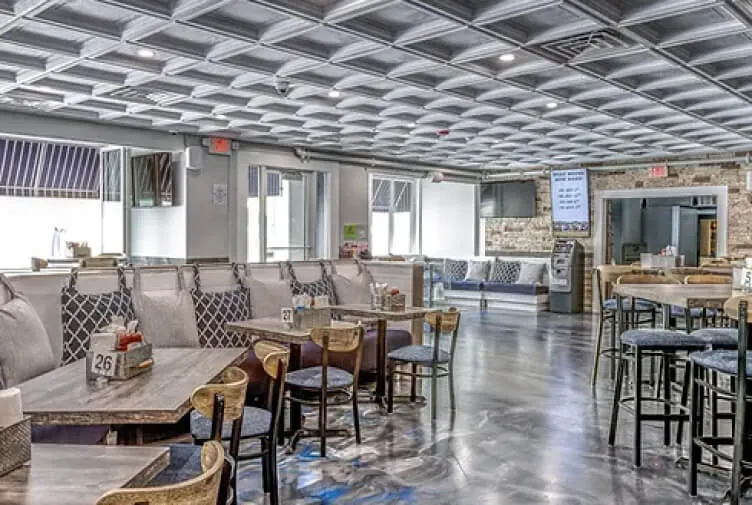
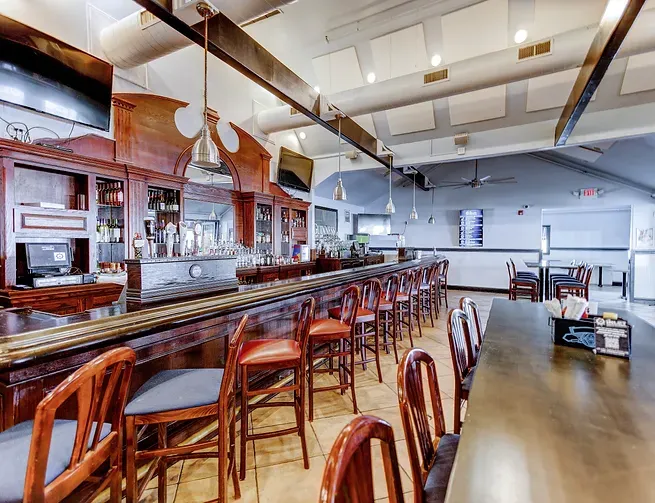
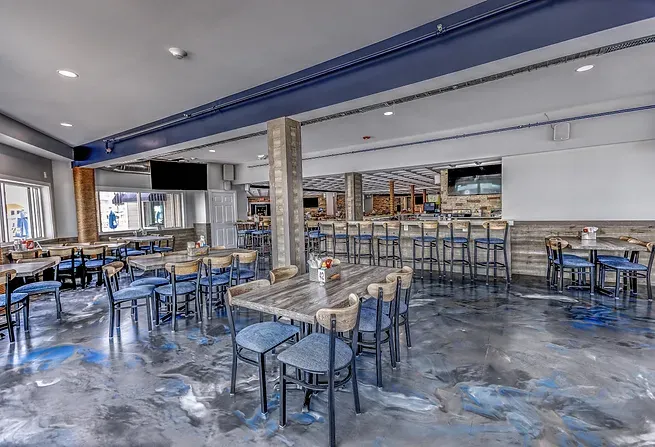
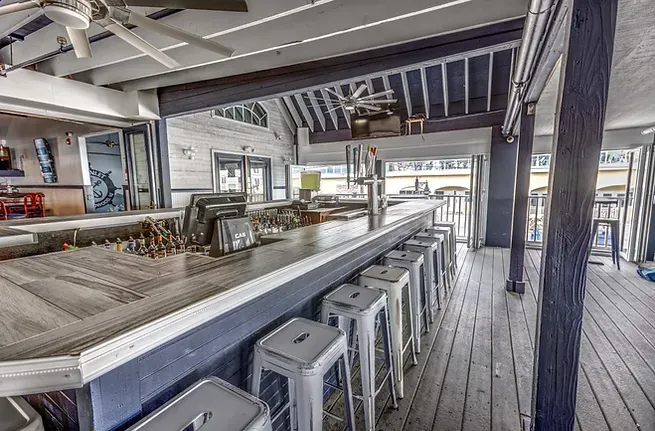
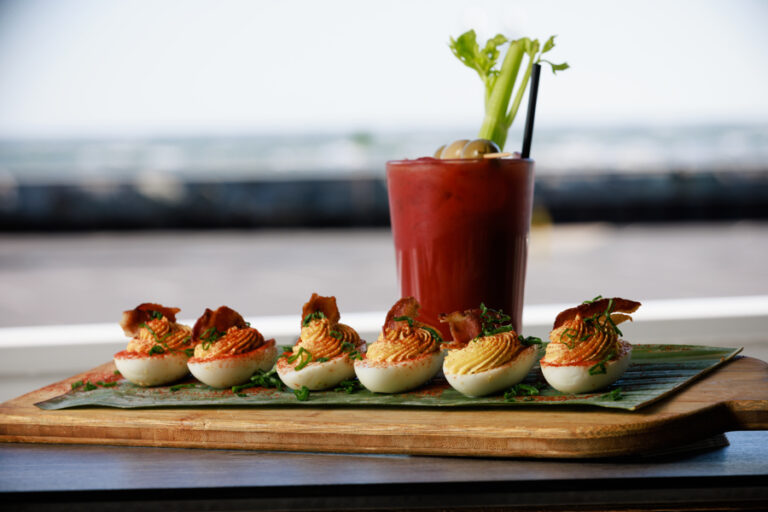
Looking for great oceanside dining and drinks? The Inlet offers fresh coastal cuisine, refreshing drinks, and live music in a welcoming atmosphere for both locals and visitors. Stop in for breakfast from 9:00 a.m. year-round on weekends, and seven days a week from Father’s Day (June 21, 2026) through Labor Day (September 7, 2026). Unwind with drinks during happy hour, and enjoy crowd favorites with ocean views. Located at Walnut and Olde New Jersey Avenue, we serve breakfast, lunch, dinner, and drinks with live entertainment throughout the week. Browse the menu, check upcoming shows, or book a private event.
Entertainment
About The Inlet
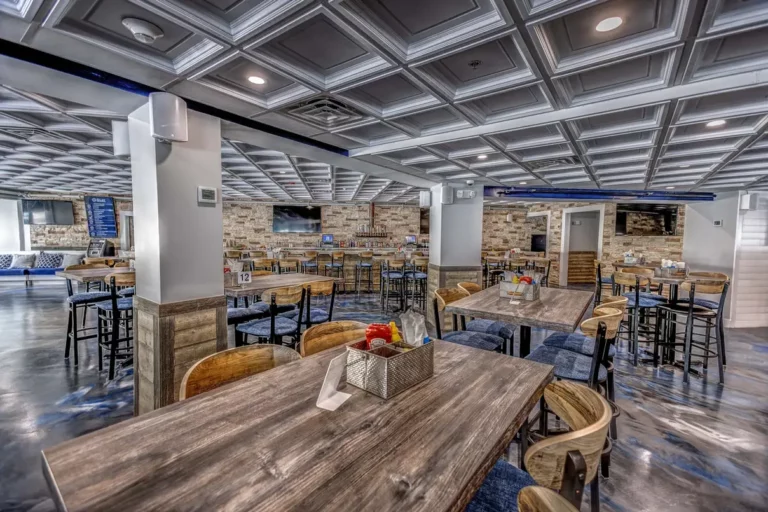
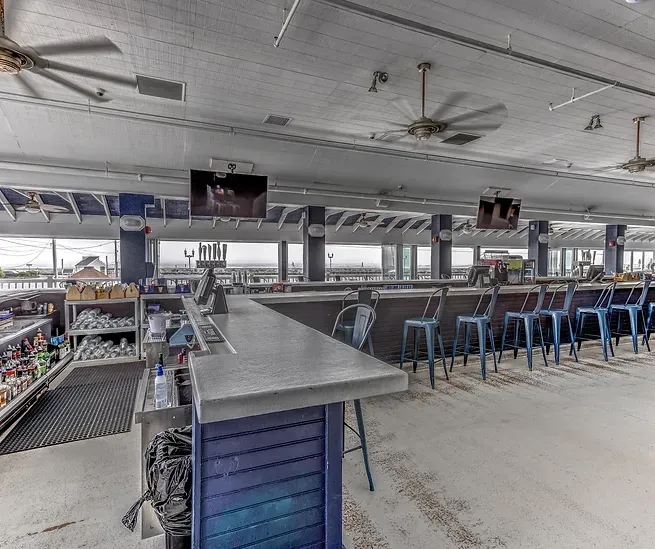
The Inlet in North Wildwood is a restaurant and bar serving fresh coastal cuisine, drinks, and live music. Located at Walnut and Olde New Jersey Avenue, we offer breakfast, lunch, and dinner in a bright, welcoming space. Guests can enjoy ocean views, live entertainment, or popular plates with comfortable seating in a relaxed atmosphere. Check out our menu, see the entertainment schedule, or reserve a private event.
Host your next celebration with ocean views at The Inlet. Choose from indoor or outdoor seating in bright, flexible spaces. Our team provides on-site and off-site catering for groups of any size across Cape May County.
Perfect for
Graduations and Milestones
Family Reunions and Get-Togethers
Birthday Celebrations
Wedding and Engagement Parties
Christenings
Corporate Events
Team Celebrations
From room setup to menu packages, our team helps you plan every detail, ensuring the space and menu are tailored to your group’s needs.
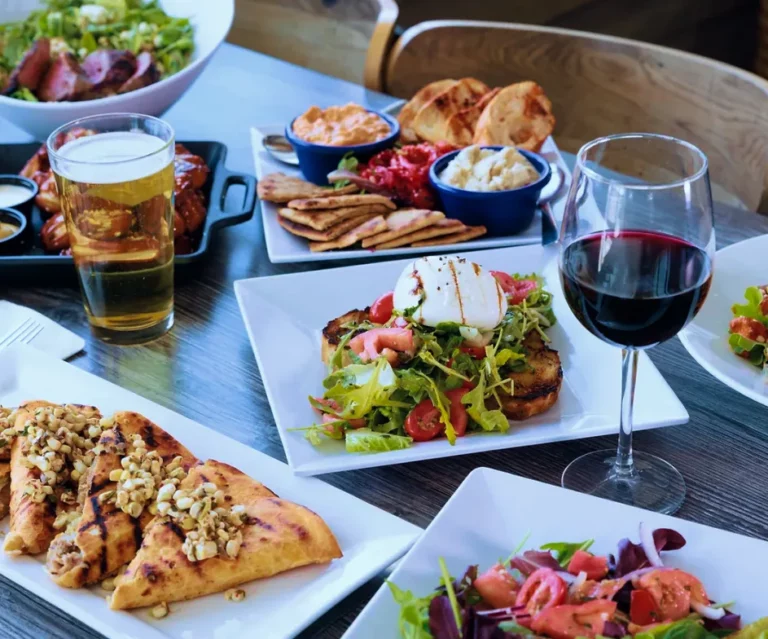
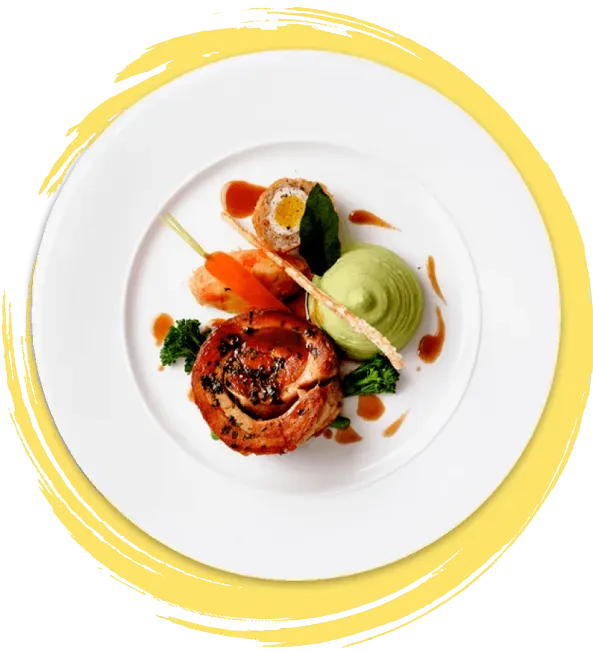
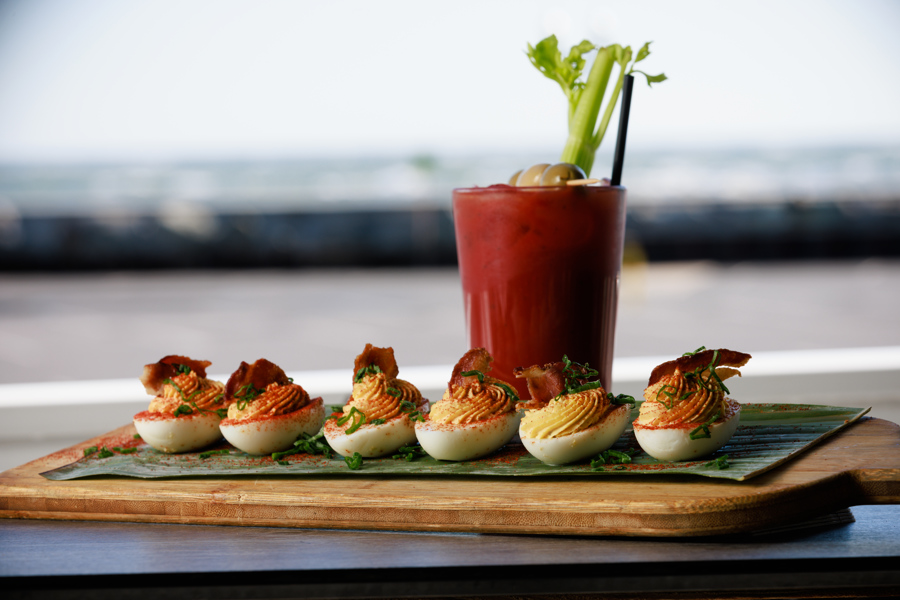
First-come, first-served. Enjoy our most popular dishes while taking in the ocean views and a relaxed coastal atmosphere. Every dish is prepared fresh to ensure a satisfying dining experience.
Relax by the water and enjoy seasonal drinks Thursday and Sunday all day, Friday from 12 PM to 8 PM and Saturday from 11 AM to 6 PM, with refreshing specials and shareable bites. Happy Hour specials include:
$8 Select appetizers
$4 Domestic Beer
$5 Import and Craft Beer
$5 White Claw
$5 Twisted Tea
$5 Three Olives Flavors
$6 House Wines
$7 Nurtl Vodka Seltzers
Breakfast and Brunch
Start your day with breakfast at The Inlet, featuring classic favorites, fresh fruit bowls, and morning drinks served from 9 AM during the season. Bring The Inlet experience to your own celebration with breakfast catering for big days, private parties, and special events.
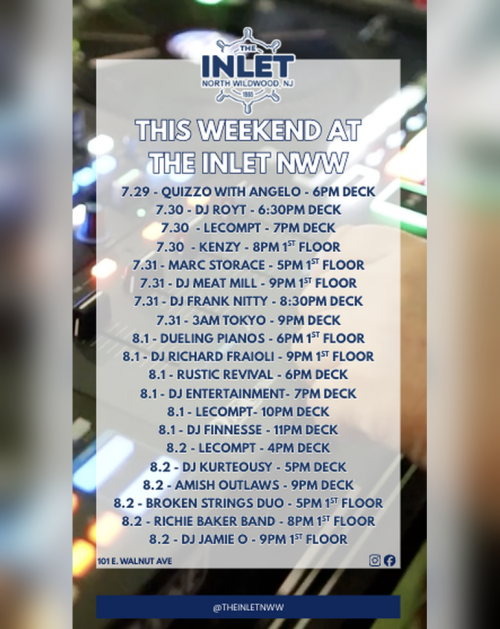
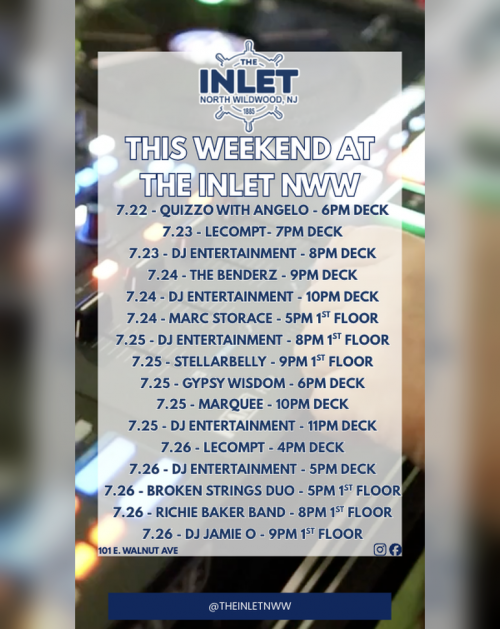
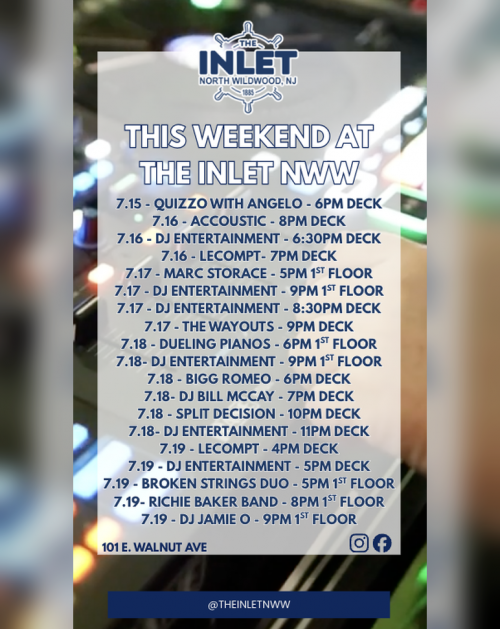
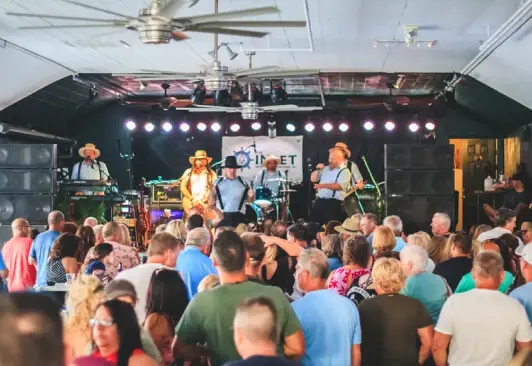
Enjoy live music and DJs with stunning ocean views all season long at The Inlet. Check our entertainment schedule to see upcoming performances and plan your visit. Do not miss a beat, sign up with your email to get updates on every show directly in your inbox
Stay in the loop with everything happening at The Inlet. Sign up with your email to receive exclusive updates on live music, seasonal events, and insider news right to your inbox!
Plan Your Wedding at The Inlet
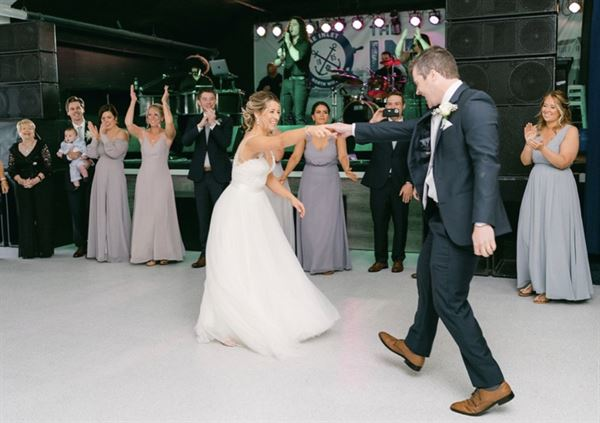
Give your guests a day they will talk about long after the last toast. Our team ensures your wedding event runs smoothly by handling table setup and menu service so you can enjoy great food and a seamless celebration.
You’ll love:
Oceanfront setting with breathtaking deck views All-inclusive packages with linens and an open bar Personalised planning support with partner vendors
We pride ourselves on quality service, delicious food, and a great location. See what our satisfied customers had to say!
I have to say I’ve been to many restaurants/bars in wildwood and I have to say the overwhelming friendliness of the staff was amazing! You are doing a great job! To Heather and co workers behind the bar on Sunday thank you so much for your kindness. The food was very delicious and service was very quick! It was crowded and no one missed a beat! Can’t wait to stop back in. Entertainment was awesome as well.
The Inlet had a wedding reception going on upstairs and a graduation party in section of downstairs bar area.We ordered with our parry and the service was excellent. Our drinks were cold and our food was served hot.Good afternoon all around. Highly recommend.
Great atmosphere...great food!
Beautiful restaurant. This time of year (winter) they have great lunch and dinner specials.
We got the turkey specials. I got a dinner and my Mom got a sandwich. Very good.
Great food and exceptionally clean.
Great breakfast. Eggs prepared exactly as requested. Very nice place inside. Very good service. Will go back.
How to Visit The Inlet?
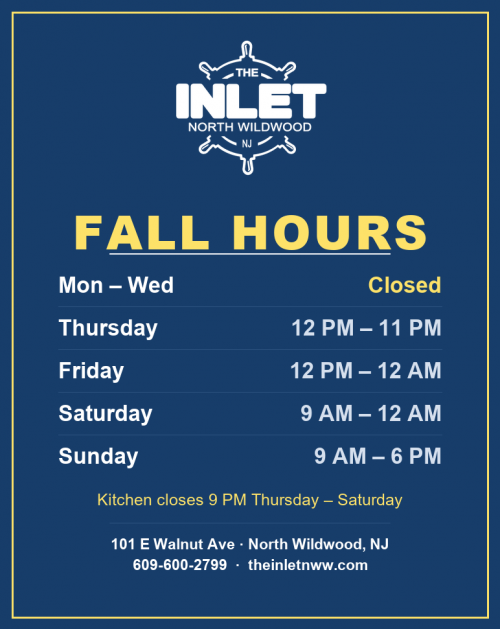
Ready to enjoy your next oceanside meal or live show at The Inlet in North Wildwood? Finding us, grabbing a table, and soaking in the coastal vibes is simple. Reach out via:Location:101 E Walnut Ave, North Wildwood, NJ 08260Phone: 609-600-2799The Inlet is on its fall schedule: closed Monday through Wednesday; Thursday 12 PM to 11 PM; Friday 12 PM to 12 AM; Saturday 9 AM to 12 AM; and Sunday 9 AM to 6 PM. The kitchen closes at 9 PM Thursday through Saturday. Hours change seasonally, so please call 609-600-2799 to confirm. Visitors can enjoy free parking and easy access from nearby towns and cities.